
 繁体中文
繁体中文 简体中文
简体中文
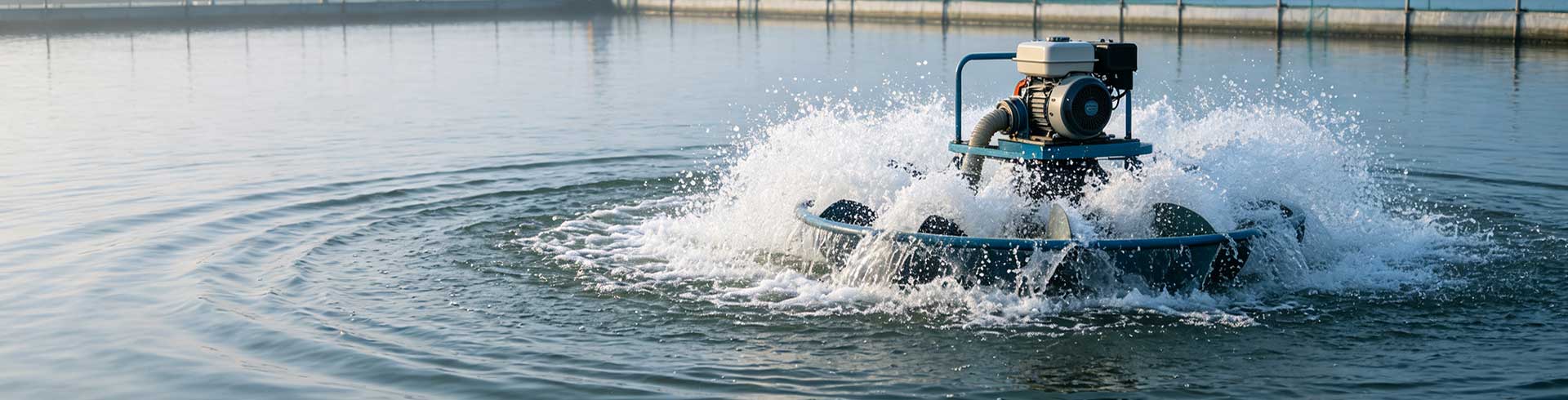
Common causes and identification methods of aeration pipe blockage
The aeration pipe is the core component of the aquaculture oxygenation system, and its smoothness directly affects the amount of dissolved oxygen in the water. Blockage is usually caused by the following reasons:
- algae attachment
Nutrient-rich water is prone to the growth of algae, which adhere to the tube wall to form a biofilm. - calcium carbonate deposition
: Calcium and magnesium ions precipitate in the hard water area, forming a white hard scale. - sludge accumulation
Residual bait feces that are not cleaned up in time enter the pipeline with the airflow. - Foreign body blockage
Fragments that fall during installation or maintenance.
Identify the early symptoms of blockage: significantly reduced aeration, uneven bubble distribution, increased motor load on the aerator, and no local water surging. Regular inspections (weekly recommended) can avoid serious blockages.
Detailed steps for cleaning aeration tubes
Preparation
- Turn off the power supply of the aerator and cut off the air source.
- Remove the aeration pipe and mark the installation location for restoration.
- Prepare cleaning tools: soft brush, high pressure water gun, citric acid or special cleaning agent, bucket.
cleaning process
- initial flushing
Flush with a high-pressure water gun from one end to remove surface sludge and loose impurities. - soak dissolve
The exposure tube is completely immersed in a 5% citric acid solution (or special cleaning agent) for 2-4 hours to dissolve calcium scale and biofilm. - Scrub the interior
Repeatedly brush the inner wall of the tube with a soft brush, focusing on the areas with hard scale. - Rinse thoroughly
: Rinse with water repeatedly until there is no residue to ensure no odor. - Disinfect and dry
Soak in low-concentration potassium permanganate solution for 30 minutes to disinfect, and then place in a ventilated place to dry naturally.
Precautions
- Avoid using hard tools such as steel balls to avoid scratching the pipe wall.
- The cleaning frequency depends on the water quality, usually once a quarter, and once a month when the water quality is poor.
- After cleaning, check for cracks or aging and replace them promptly.
Practical tips to prevent clogging of aeration pipes
Optimize installation and design
- When installing, ensure that the pipeline has a slight slope for easy drainage.
- Install a filter at the air source to intercept large particles of impurities.
- Adopt removable connector for easy maintenance.
daily operation and maintenance
- Regularly turn on the aeration system for "strong aeration", and use the airflow to wash away the attachments.
- Control the concentration of nutrients in the water body to reduce the growth of algae.
- Check the aeration situation daily and deal with any abnormalities promptly.
Water quality management
- Change the water regularly to keep the water fresh.
- Use microbial preparations to decompose organic matter and reduce sludge generation.
- Avoid overfeeding and reduce bait deposition.
Seasonal coping strategies
- In the hot season, algae multiply rapidly, increasing the frequency of cleaning.
- In winter, the water temperature is low, and calcium scale is easy to precipitate, which can appropriately improve the pH stability.
Differences in cleaning of aeration pipes of different materials
| material | feature | Cleaning advice |
|---|---|---|
| PVC pipe | Corrosion resistant, but afraid of high temperatures | Avoid using hot water, rinse with cold water, and the concentration of chemical cleaning agents should not be too high. |
| Rubber tube | Good elasticity, easy to age | Scrub gently to avoid sun exposure and check for cracks regularly. |
| Stainless steel pipe | Robust, but expensive | Use wire brush, pay attention to rust. |
| Ceramic aeration plate | Porous structure, fragile | Backwash with water and avoid scraping with hard objects. |
Frequently Asked Questions (FAQ)
Q: What is the harm of clogged exposure trachea to breeding?
Answer: The blockage results in insufficient dissolved oxygen, causing fish and shrimp to float, grow slowly, and in severe cases cause flooding, causing huge economic losses.
Q: Can the aeration tube be cleaned with bleach?
A: Yes, but it must be rinsed thoroughly to avoid residual chlorine poisoning to aquatic organisms. It is recommended to use a safe cleaning agent such as citric acid.
Q: After cleaning, the aeration effect is not as good as before. What should I do?
Answer: Check whether there is any stubborn dirt that has not been removed, or whether the pipe is aging and deformed. Replace the pipe with a new one if necessary.
Q: How to determine whether the aeration pipe needs to be replaced?
Answer: If the pipe wall becomes thinner, cracks appear, and the aeration uniformity cannot be restored after cleaning, it is recommended to replace it.
Summary and recommendations
The maintenance of the aeration pipe is not complicated. The key lies in "prevention is the main thing, and cleaning is the auxiliary". Through scientific management, the life of the aeration pipe can be extended and the oxygenation efficiency can be guaranteed. It is recommended that farmers establish a maintenance log, record the cleaning time and water quality changes, and adjust the maintenance strategy in time. If you encounter stubborn blockages, you can contact professional manufacturers to assist in handling them. Select high-quality aeration pipes and oxygenators, and cooperate with standardized operations to make aquaculture production more efficient and safer.


